English
 Arabic
 French
 Spanish
 Portuguese
 Deutsch
 Turkish
 Dutch
Dutch
 Italiano
 Russian
 Romaian
 Portuguese (Brazil)
 Greek
Greek
The Rise and Fall of Kevin Omwenga, Also Known as Richhy Rich
Other |
2025-05-18 08:55:13
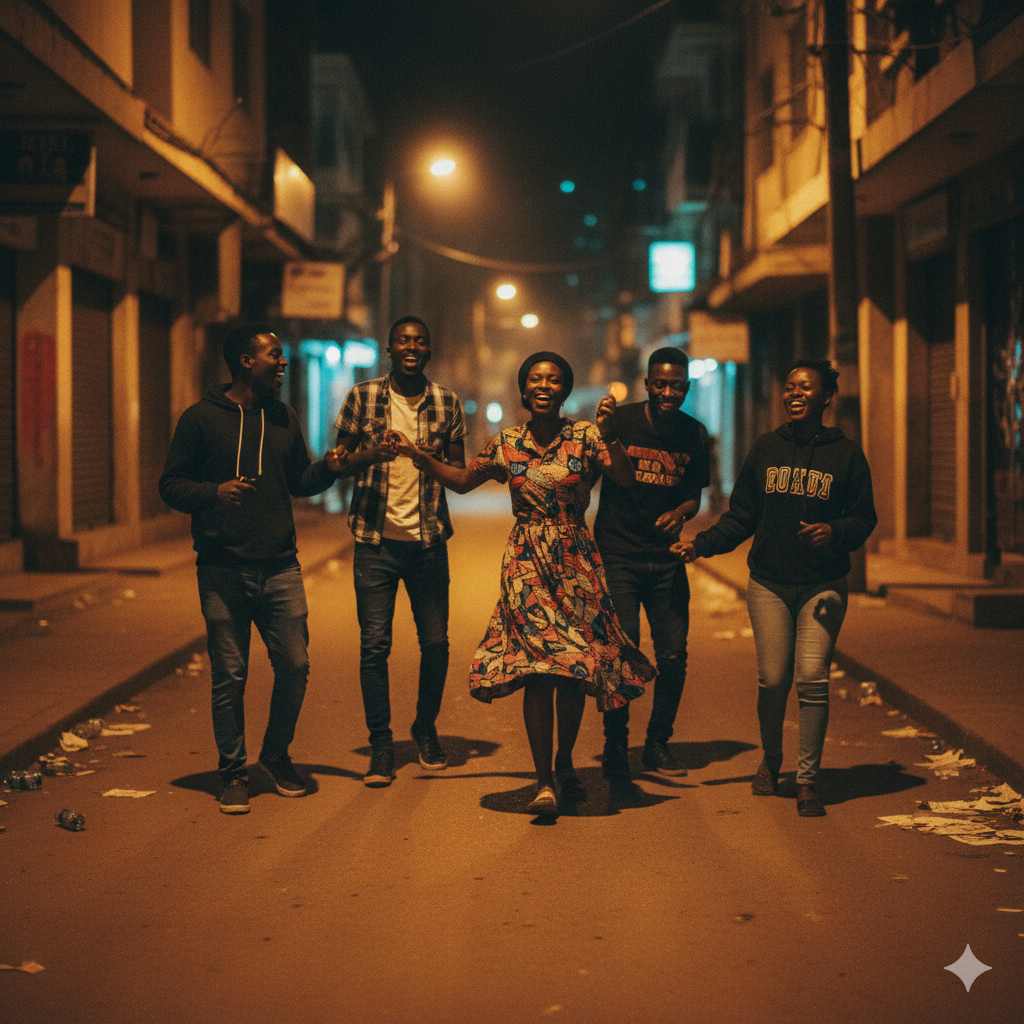
Let’s be honest, no one has money, but somehow everyone’s still outside. The economy is gasping for air, fuel prices are playing in the Premier League, unga is basically a luxury item… and yet, the clubs are full. The same people complaining about the cost of living on Monday are popping bottles on Friday like they just won a tender.
Every weekend, the same story: “Bro, niko broke this weekend.” Then two hours later, there’s a location pin on their story with the caption “It is what it is.” And honestly, I get it. Because same.
It’s not even about pretending anymore, it’s survival. You can’t cry about your problems the whole week and then stay home on Friday too. The mind needs balance. The heart needs vibes. The body needs nyama choma and bad decisions to cope.
So yeah, maybe we’re broke, but we’re also exhausted. Life has been one long adulting experiment gone wrong, and sometimes, the only way to feel human again is to dance badly in a packed club while pretending M-Pesa isn’t vibrating in your pocket with “You have insufficient funds.”
The truth is, everyone is struggling, just quietly. Salaries haven’t moved, but rent keeps climbing, groceries cost more than rent used to, and Safaricom data finishes faster than your motivation on a Monday. You’re not even living lavish; you’re just trying to survive, but somehow surviving has become expensive.
We’ve entered an era where the group chat is full of “Nani ako na job leads?” and “Send me fare, I’ll refund you next week,” but next week never comes. Yet the same group is planning a plan for Friday. Because if we don’t laugh, we’ll cry.
This is what modern Nairobi poverty looks like; it’s not barefoot and dusty. It’s Air Force 1s bought on credit. It’s Ubering to the club with 23% battery and 2% financial stability. It’s the careful balance between “I can’t afford it” and “But I deserve this small joy.”
And honestly, it’s hard to blame anyone. Life has been heavy for too long. The government isn’t helping, jobs are scarce, and everything that used to bring peace now feels like work. So we cling to the small, fleeting things that make us forget. Even if they cost us the little we have left.
Part of why we still go out, even when our wallets are screaming, is because disappearing for too long raises questions. In Nairobi, absence is suspicious. Miss two weekends in a row and someone will text you, “Uko aje? You’ve been quiet…” which roughly translates to, “Are you broke?”
There’s a kind of silent economy that runs on appearances. You can’t be seen struggling. You have to show face, even if you’re showing up on vibes and borrowed perfume. Nairobi doesn’t reward humility; it rewards presence.
We’ve all mastered the art of looking fine. You show up at a brunch you can’t afford, post one nice photo, sip your drink slowly like it’s champagne, and then spend the next week living on noodles. But hey, you were outside. You looked alive. You looked like you’re still part of the story.
And maybe that’s the thing, no one wants to feel left behind. The world moves fast, the timelines move faster, and being absent too long makes you feel like you’ve disappeared. So we show up, laugh loudly, spend recklessly, and go home quietly panicking. It’s not vanity; it’s survival disguised as lifestyle.
At some point, going out stopped being about fun; it became a form of therapy. We may not have insurance or savings, but we have vibes. For a few hours, the music is loud enough to drown out anxiety. The laughter feels real enough to trick the brain into believing everything’s okay.
We’re not running toward joy; we’re running away from reality. The bills, the job stress, the loneliness, they all wait for us patiently, but for that one night, they can’t reach us. And that’s worth a few thousand shillings we don’t have.
We’ve turned escapism into a group project. We gather every weekend to perform normalcy, to convince each other we’re fine. Everyone is coping in their own little way, some through brunches, others through road trips, others through endless “catch-ups” that all end the same way: oversharing, overthinking, and overspending.
And honestly, I don’t even think it’s foolish. It’s human. Life’s been hard for too long. You can’t grieve the economy every day. You can’t discuss politics every night. Sometimes you just want to laugh until you forget how tight your chest has been all week. Sometimes you just want to feel light, even if it’s temporary, even if it’s on credit.
The problem with pretending to be okay is that the performance costs more than the truth ever would. We spend money we don’t have to buy the illusion of peace, new clothes for confidence, drinks for courage, Uber rides for escape. And for a few hours, it works. Until it doesn’t.
Then Monday shows up like an unpaid debt.
You wake up tired, broke, maybe a little empty, and you start the cycle again, the hustle, the denial, the “next weekend will be different” lie. It’s exhausting to keep playing the role of someone who’s thriving when you’re just surviving.
Sometimes I wonder if half of Nairobi’s nightlife is powered by sadness, that low-grade ache everyone carries but no one admits out loud. The heartbreaks, the job rejections, the endless adulting, all numbed by a cocktail of music, alcohol, and collective amnesia.
We call it “outside,” but it’s really just a group therapy session without a therapist. The lights are pretty, the laughs are loud, but if you listen closely, there’s fatigue underneath it all. That’s the price of pretending: we get moments of escape, but they come with longer nights of overthinking.
Maybe that’s the truth, we’re not reckless; we’re just tired. Tired of holding it together, tired of chasing stability that never seems to arrive, tired of pretending that struggle builds character.
We go out because, for a few hours, we get to stop being anxious citizens of a broken economy and just be human. We get to laugh too loudly, dance too wildly, and forget the world that keeps asking for more while giving less.
And maybe that’s not so bad. Maybe joy, even borrowed joy, still counts. Maybe vibing through the chaos is our generation’s way of rebelling, refusing to let the weight of adulthood crush whatever pieces of light we have left.
So yeah, we’re broke. The rent is due, the M-Pesa balance is rude, and the future feels like a math problem with no answer. But we’re also here, showing up, laughing, living, trying. And maybe that’s enough for now.
Because sometimes survival doesn’t look like saving money or having a five-year plan. Sometimes it just looks like saying, “Let’s go out,” and giving yourself permission to forget, even for one night.